

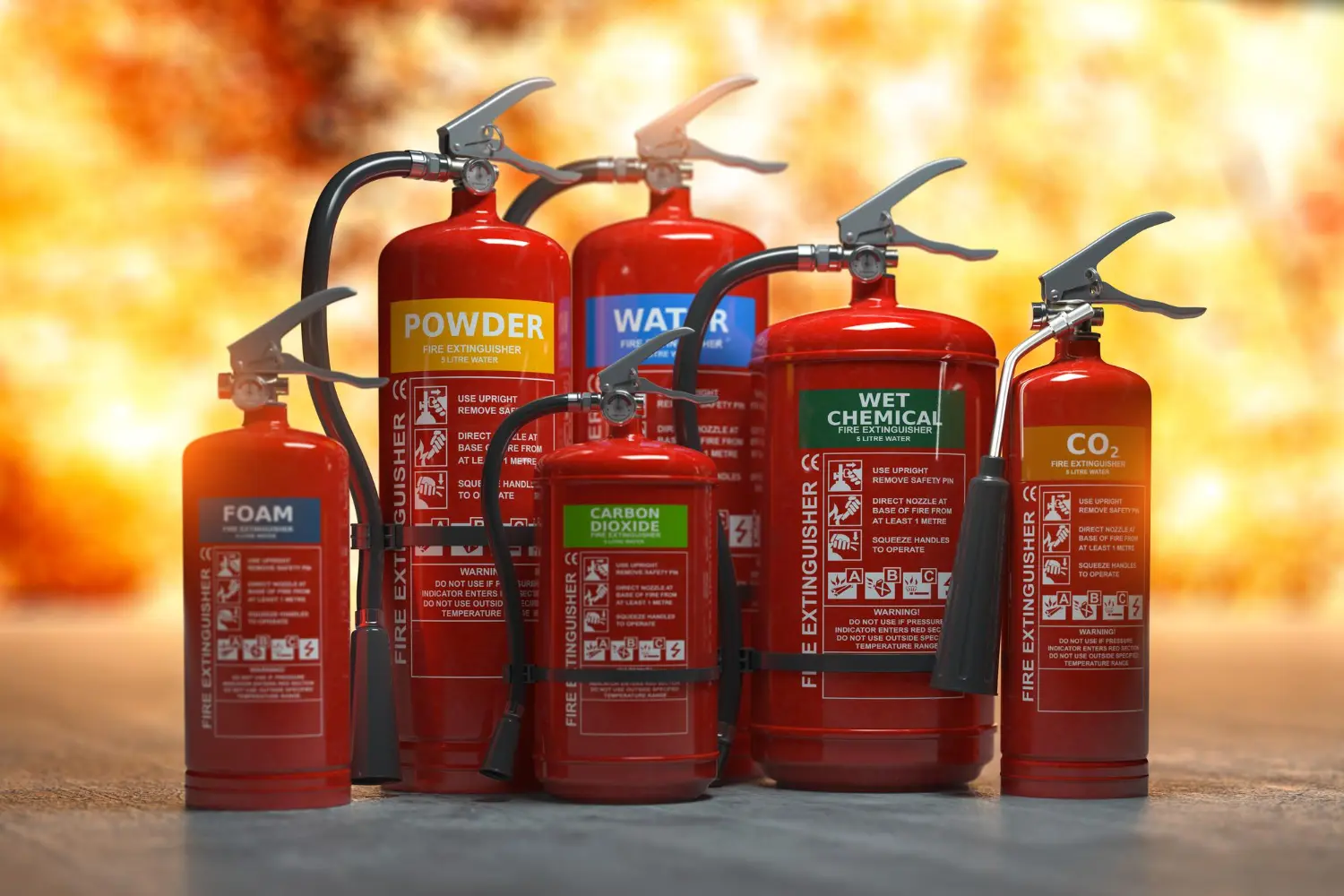
In the world of safety, our success is measured by what doesn’t happen, not what we extinguish. A fire isn’t a sudden disaster, but rather the cumulative result of negligence, starting the moment we stop thinking about it. Therefore, the real battle against fire begins before the first spark.
A proactive culture is the essence of prevention. Many wait to hear the alarm or see flames to feel threatened, but the expert understands that the real danger lies in corroded wiring, silent electrical faults, or storing flammable materials near heat sources. Proactive thinking means looking at the place critically: Where is the emergency exit? Is the fire extinguisher in the right place and in working order? Is the evacuation plan clearly drawn?
The human element is the most important component in this equation. Preventive thinking isn’t limited to equipment; it extends to rigorous training. In the first seconds of a fire, calmness and knowledge are the most effective weapons. When individuals train for disaster simulations, panic transforms into a rapid, automatic response, and chaos into an organized evacuation. Knowing how and when to use a fire extinguisher, or when to escape and lock the doors behind you, are decisions made today, not tomorrow.
Technology is our greatest ally; detectors, alarms, and automatic sprinkler systems are the ever-vigilant eyes that never sleep. But they are merely silent tools without regular maintenance and strategic planning in their deployment.
In conclusion, a fire doesn’t announce its arrival, but its effects last a long time. Think about a fire today: check your exits, train your family or employees, and inspect your equipment. Because the cost of a single drop of fire extinguisher is far less than the cost of a barrel of water poured on the ruins of what burned. Prevention is not a luxury; it is a moral and legal obligation, and the only smart investment that will ensure tomorrow remains as safe as we planned.

No comment